Uganda
  Kenya
Kenya  Rwanda
  Tanzania
 Masai Mara Game Reserve
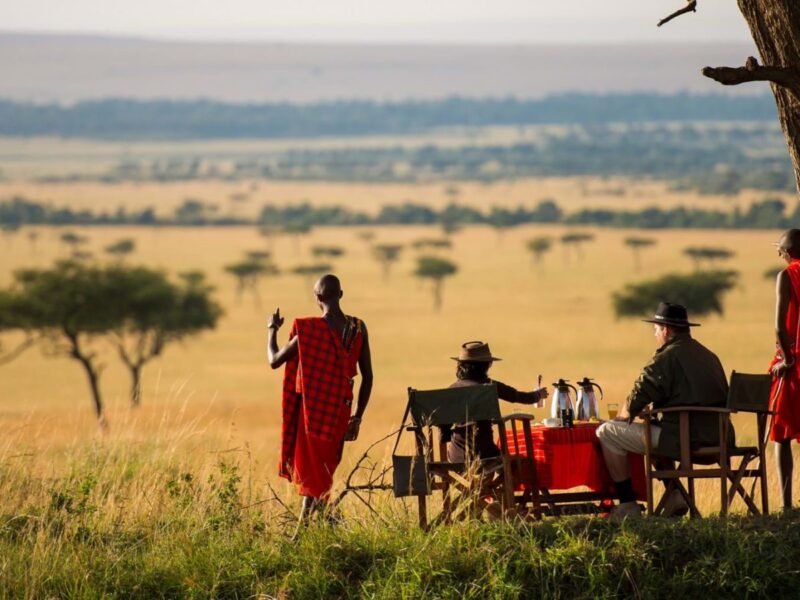
The Masai Mara Game Reserve was originally established in 1948 as a Wildlife Sanctuary. It covers an area of about 1,510 square kilometers after being reduced from 1672 square kilometers in 1984. The reserve is located in south-western Kenya, 270 kilometers from Nairobi. It is the northern continuation of the Serengeti National Park in Tanzania and the two make up the Mara-Serengeti ecosystem, which covers some 25,000 square kilometers. The reserve is named after the Masai people who inhabit the area around the park. Mara is Maa in Masai language meaning “spotted,” which is an apt description for the circles of trees, scrub, savanna, and cloud shadows that mark the area. There are four main types of topography in the Mara which include; Ngama Hills to the east with sandy soil and leafy bushes liked by black rhino, Oloololo Escarpment forming the western boundary and rising to a magnificent plateau, Mara Triangle bordering the Mara River with lush grassland and acacia woodlands supporting masses of game especially migrating wildebeest, Central Plains forming the largest part of the reserve, with scattered bushes and boulders on rolling grasslands. Animals inhabiting the reserve include wildebeest, zebra, impala, topi, giraffe, Thomson’s gazelle, leopards, lions, hyenas, cheetah, jackal and bat-eared foxes, black rhino, hippos are abundant in the Mara River as are Nile crocodiles. There are 53 different birds of prey including the lilac breasted roller, eagles, vultures and storks. The best time to visit is the dry season of July to October. Attractions include Wildebeest Migration, Hot Air Ballooning, Huge savannahs of golden grasslands, Big skies, Rift Valley escarpment, Lion sightings.